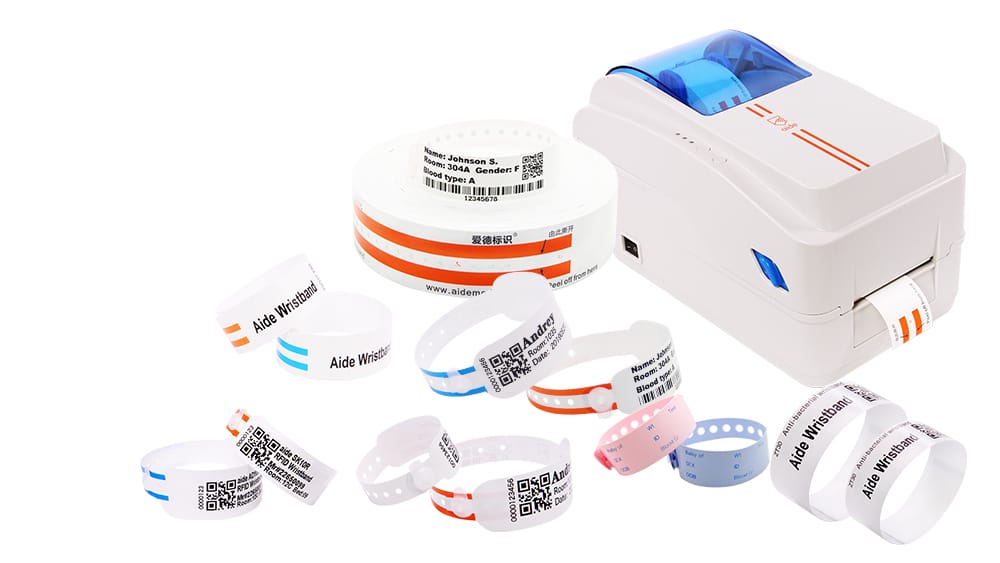
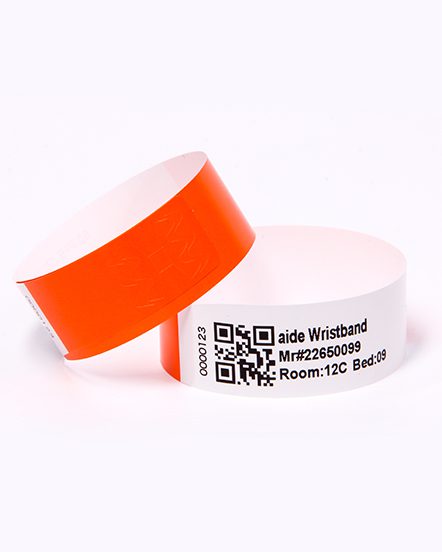
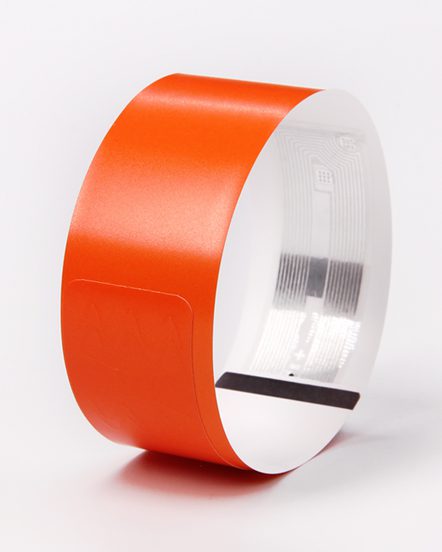
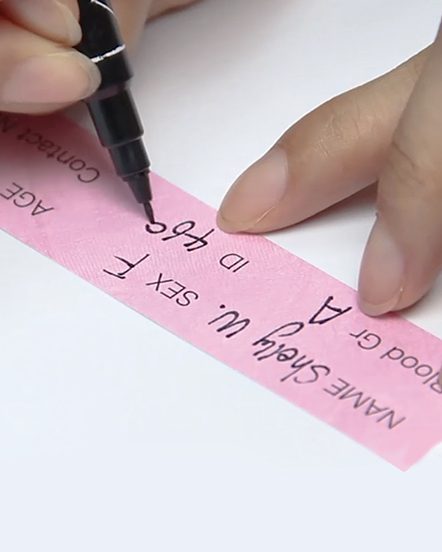
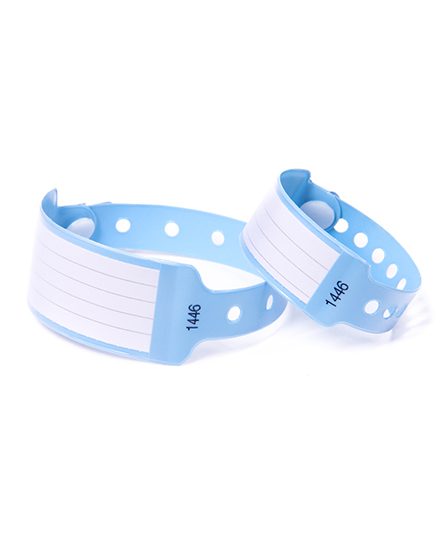
When it comes to public and private hospital procurement, securing a medical identification wristband tender requires balancing cost-efficiency with strict, uncompromising safety standards. Patient ID bands are not simple accessories; they are critical medical devices that serve as the frontline for patient verification, medication administration, and electronic health record (EHR) data tracking.

For procurement officers, medical device distributors, and hospital administrators, choosing the wrong supplier can lead to failed compliance audits, clinical errors, or tender disqualification.

Below is a comprehensive guide to the essential regulatory compliance standards, material safety certifications, and functional specifications required to win and successfully execute a hospital wristband tender.

1. Regulatory Compliance and Quality Management Systems

The foundation of any medical tender is manufacturer compliance. Hospitals require strict proof that the production pipeline follows international medical standards.

  • ISO 9001:2015 Certification: This ensures the manufacturer utilizes a consistent Quality Management System (QMS), guaranteeing that the millionth wristband produced has the exact same quality and thickness as the first sample.
  • CE Marking & FDA Registration: Depending on whether your market is in Europe, North America, or regions following similar regulatory frameworks, the wristbands must carry appropriate regulatory listings as Class I medical devices.
  • Traceability (ERP Integration): A compliant supplier must provide lot-number traceability. If a hospital encounters a defective batch, the manufacturer must be able to trace the raw material batch and production date immediately to mitigate clinical risks.

2. Material Safety: Biocompatibility and Non-Toxicity

Because patient ID bands come into direct, prolonged contact with compromised or sensitive skin (including neonates and elderly patients), material safety is paramount.

The Gold Standard: Hospital tenders frequently stipulate that wristbands must pass strict biocompatibility testing according to international standards such as ISO 10993.

Ensure your wristband supplier provides independent lab test reports (such as SGS or TÜV) proving the following:

  • Hypoallergenic & Latex-Free: To prevent severe allergic reactions in patients during multi-week hospital stays.
  • Phthalate-Free & Lead-Free: Compliance with REACH or RoHS directives ensures no hazardous chemicals leach into the patient’s bloodstream.
  • Antimicrobial Coating: Premium medical wristbands often feature a silver-ion or specialized antimicrobial surface layer that actively inhibits the growth of common hospital-acquired infections (HAIs) like MRSA.

3. Print Durability and Clinical Functionality

A hospital wristband is only as compliant as its scannability. If a barcode fades after a patient takes a shower or is wiped down with sanitizers, the entire Hospital Information System (HIS) chain breaks down.

When evaluating thermal or laser-printable wristbands for a tender, look for these physical performance benchmarks:

FeatureRequirementWhy It Matters for Compliance
Alcohol ResistanceMust withstand 70% Isopropyl Alcohol wipesNurses regularly sanitize the patient’s wrist area; barcodes must not smudge.
Moisture Proof100% waterproof constructionPrevents degradation during patient bathing or hydrotherapy.
Tensile StrengthHigh tear-resistancePrevents the band from snapping under accidental pulling or clinical emergencies.

4. Tamper-Evident Safety Closures

To ensure strict “one band per patient” compliance, the closure mechanism must be truly irreversible. Tenders generally specify one of two secure locking systems:

Secure Plastic Snaps

Ideal for pediatric or long-term care facilities. Once the plastic clip is pushed into place, it cannot be reopened without cutting the band off entirely. This prevents patients from swapping bands or losing them during transfer.

Tamper-Evident Adhesive Closures

Commonly used in short-term emergency rooms or outpatient clinics. These closures feature advanced structural die-cuts. If anyone attempts to peel the adhesive back to remove the band, the material deforms or destroys itself, rendering it impossible to reapply.

Conclusion: Securing Your Supply Chain

Winning a hospital tender for wristbands requires looking beyond the per-unit price. Procurement success hinges on partnering with a source-level manufacturer capable of delivering verified certification documents, consistent high-volume capacity, and rigorous quality control.

Before submitting your next bid, ensure your supplier can hand over valid ISO, CE/FDA, and SGS non-toxicity reports alongside your physical samples.

Looking for a Compliant OEM Partner for Your Next Medical Tender?

We specialize in high-volume, ISO-certified medical identification wristbands with full testing documentation.

[Contact Our B2B Procurement Team Today] to request free sample kits and compliance certificates for your upcoming bid.

发表评论

了解 AIDE 的更多信息

立即订阅以继续阅读并访问完整档案。

继续阅读