Traditional Patient Identification vs RFID Smart Wristbands: Why Modern Hospitals Are Making the Switch

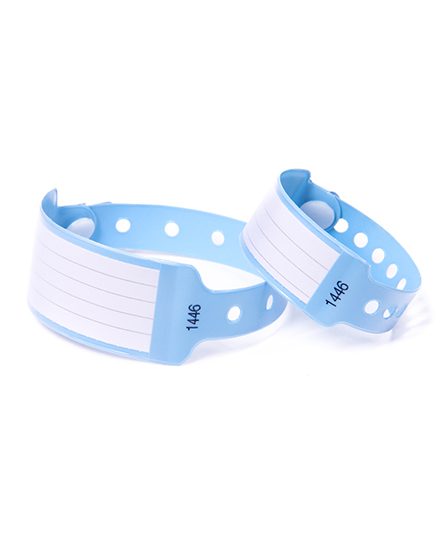
In today’s healthcare environment, patient safety and operational efficiency are more important than ever. While many hospitals still rely on paper records and manually written patient wristbands, a growing number of healthcare facilities are adopting RFID-enabled patient identification systems to improve accuracy, reduce errors, and streamline workflows.

The comparison below highlights the difference between traditional patient management and modern RFID smart medical centers.

The Challenges of Traditional Patient Identification

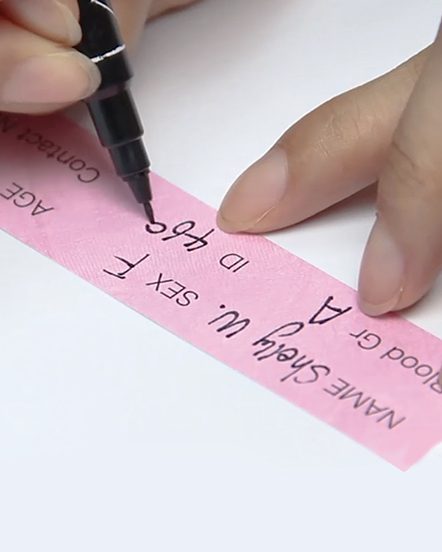
For decades, hospitals have depended on handwritten records, printed forms, and manually managed patient wristbands. While these systems have served healthcare providers for years, they also introduce several challenges:

1. Human Errors in Documentation

Handwritten records can be difficult to read and prone to mistakes. A simple transcription error may lead to:

  • Patient misidentification
  • Medication administration errors
  • Incorrect treatment procedures
  • Delays in patient care

2. Time-Consuming Administrative Work

Nurses and administrative staff often spend significant time:

  • Filling out paperwork
  • Updating patient records manually
  • Verifying patient information repeatedly
  • Searching for misplaced documents

This administrative burden reduces the time available for direct patient care.

3. Limited Traceability

Traditional paper-based systems make it difficult to track:

  • Patient movements
  • Treatment history
  • Medication administration records
  • Department transfers

As a result, hospitals may experience workflow inefficiencies and communication gaps.


What Is an RFID Patient Wristband?

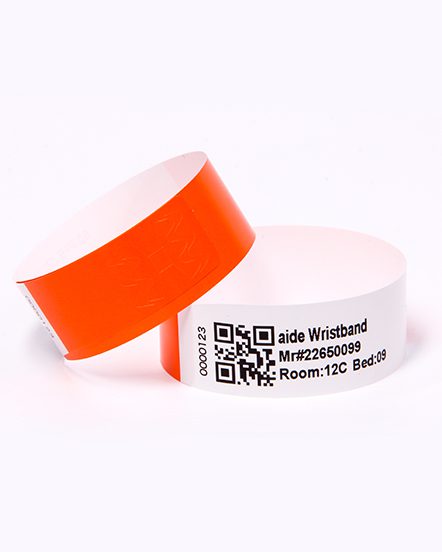
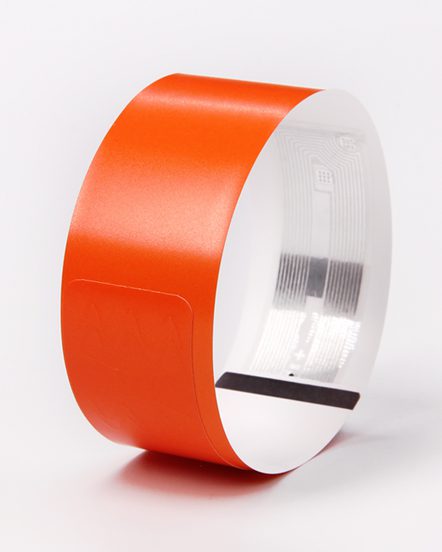
An RFID (Radio Frequency Identification) wristband contains an embedded RFID chip that stores a unique patient identification number. When scanned by authorized healthcare personnel, the wristband instantly retrieves patient information from the hospital information system (HIS).

Typical Data Linked to RFID Wristbands

  • Patient ID
  • Name
  • Date of birth
  • Medical record number
  • Treatment information
  • Medication schedules
  • Allergies and alerts

Healthcare professionals can access accurate patient information within seconds.


Benefits of RFID Smart Medical Centers

Enhanced Patient Safety

Accurate patient identification is the foundation of safe healthcare.

RFID wristbands help ensure that:

  • The right patient receives the right medication
  • Correct laboratory samples are collected
  • Surgical procedures match the intended patient
  • Allergies and critical alerts are immediately visible

This significantly reduces preventable medical errors.

Faster Patient Verification

Instead of manually checking paperwork, staff can simply scan the RFID wristband.

Benefits include:

  • Reduced registration time
  • Faster admissions and discharges
  • Improved emergency response
  • More efficient patient transfers

Real-Time Digital Records

RFID technology integrates seamlessly with:

  • Electronic Medical Records (EMR)
  • Hospital Information Systems (HIS)
  • Laboratory Information Systems (LIS)
  • Electronic Health Records (EHR)

Patient data is updated automatically and remains accessible across departments.

Improved Operational Efficiency

Hospitals implementing RFID systems often experience:

  • Reduced paperwork
  • Lower administrative costs
  • Faster workflow execution
  • Better resource allocation

Healthcare staff can focus more on patient care rather than documentation.


RFID Wristbands in Modern Healthcare Applications

Inpatient Management

RFID wristbands help hospitals track patient status throughout their stay while maintaining accurate records.

Emergency Departments

Rapid patient identification is critical during emergencies. RFID technology enables instant access to patient information when every second matters.

Surgical Centers

RFID verification helps prevent wrong-patient and wrong-procedure incidents by ensuring accurate patient matching before surgery.

Neonatal and Pediatric Care

Newborn and pediatric identification requires the highest level of accuracy. RFID wristbands provide secure and reliable patient tracking for vulnerable patients.

Long-Term Care Facilities

Nursing homes and rehabilitation centers use RFID solutions to improve resident identification and care management.


Why Hospitals Are Transitioning to RFID Solutions

Healthcare systems worldwide face increasing pressure to:

  • Improve patient safety
  • Reduce medical errors
  • Increase operational efficiency
  • Meet regulatory compliance requirements
  • Support digital transformation initiatives

RFID patient identification systems address these challenges while creating a foundation for smarter healthcare operations.

As hospitals continue embracing digital healthcare technologies, RFID wristbands are becoming an essential tool for patient identification, workflow automation, and quality care delivery.


AIDE RFID Patient Identification Solutions

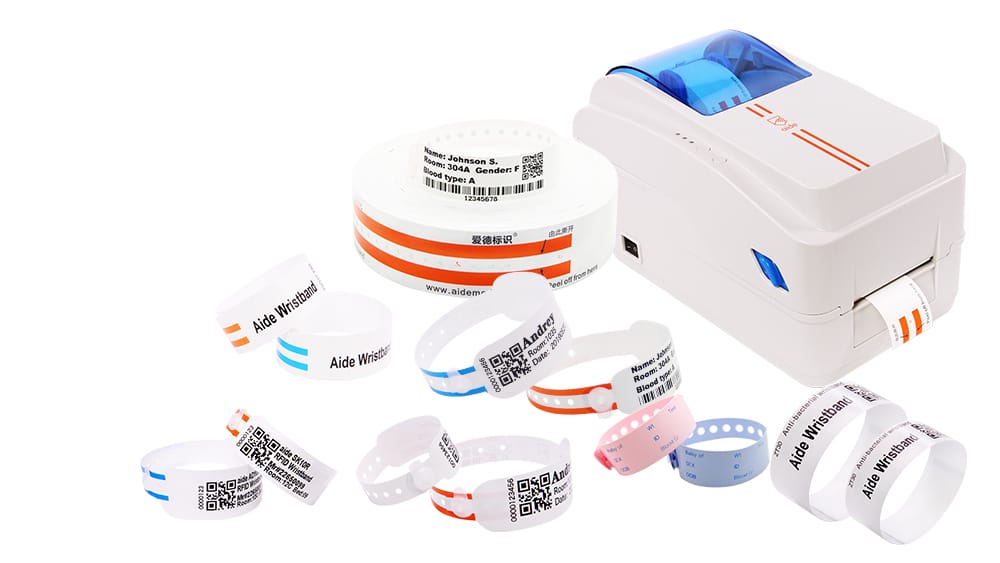
AIDE provides advanced RFID patient wristbands designed for modern healthcare environments.

Key Features

✓ Waterproof and durable construction
✓ Comfortable for long-term wear
✓ Barcode and RFID compatibility
✓ Secure patient identification
✓ Compatible with hospital information systems
✓ Available in multiple sizes and materials

Whether for hospitals, clinics, emergency departments, or long-term care facilities, AIDE RFID wristbands help healthcare providers improve patient safety while enhancing operational efficiency.


Conclusion

The future of healthcare is digital. Traditional paper-based identification methods are increasingly being replaced by RFID-enabled patient management systems that offer greater accuracy, efficiency, and safety.

By implementing RFID smart wristbands, hospitals can reduce errors, accelerate workflows, and provide a better experience for both patients and healthcare professionals.

As healthcare organizations continue their digital transformation journey, RFID patient identification is no longer a luxury—it’s becoming the new standard for modern medical care.

发表评论

了解 AIDE 的更多信息

立即订阅以继续阅读并访问完整档案。

继续阅读