Middle East & Oceania
Amanda Zeng
amanda@aidemed.comWhatsApp +86 180 0229 8714
Use colours and printed information specified by your institution.
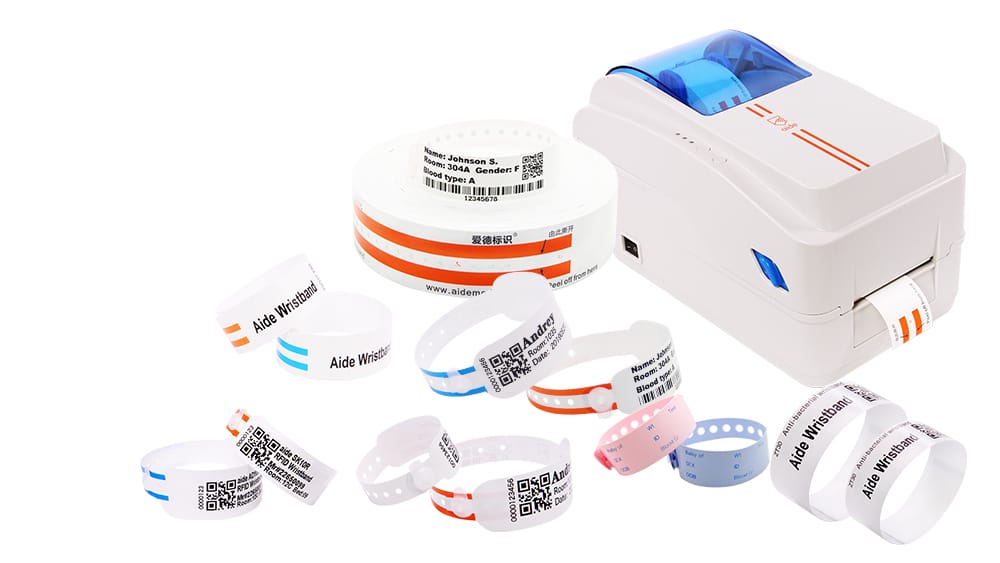
Share your application and equipment requirements. Our team can review available medical wristband options and the information needed for a quotation.
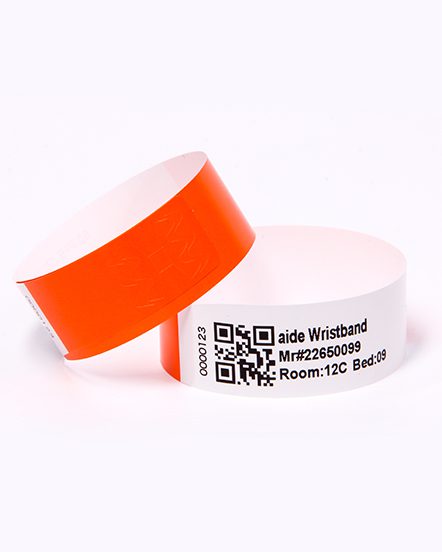
Wristbands for compatible thermal printing workflows. Confirm printer model, size and media format.
View medical product →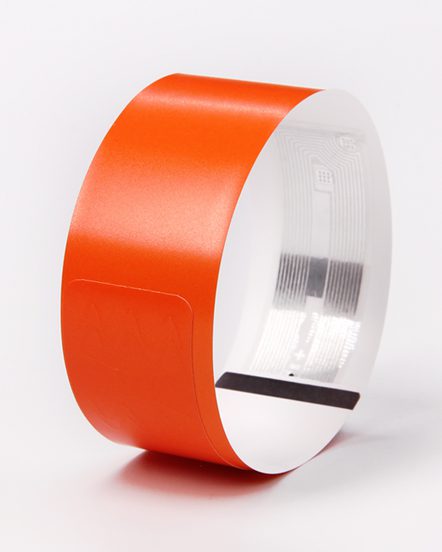
Identification wristbands for compatible RFID readers and hospital systems. Frequency, chip and integration must be confirmed.
View medical product →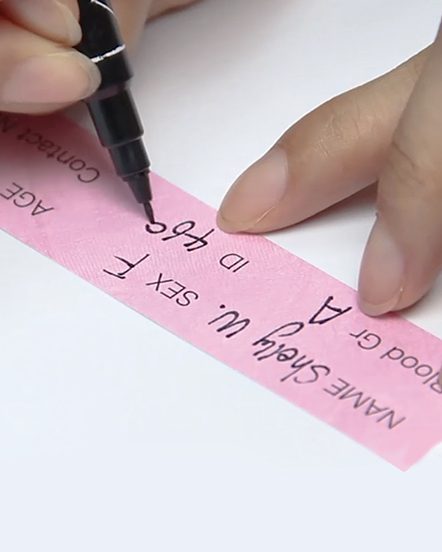
Lightweight identification options with adhesive closures. Review material and printing requirements for your application.
View medical product →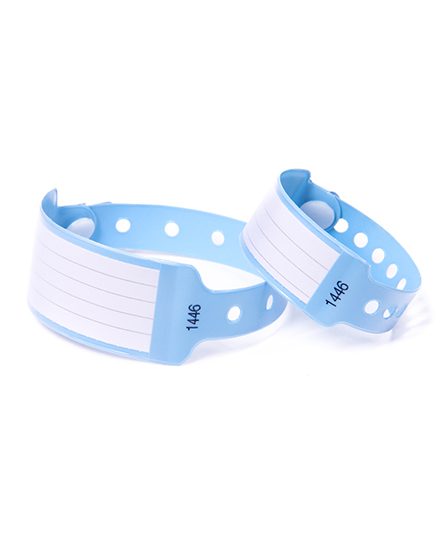
Identification options with snap or pocket formats. Select the size and marking method for your workflow.
View medical product →Share your application, quantity and delivery country. Include your printer or reader model where relevant. Replies may be delayed by time-zone differences.
Choose your region to contact our sales team on WhatsApp or by email. Tell us which wristband you need, your quantity and your delivery country.
Amanda Zeng
amanda@aidemed.comWhatsApp +86 180 0229 8714Gabby Yang
gabby@aidemed.comWhatsApp +86 181 4899 8165Chloe Chan
chloe@aidemed.comWhatsApp +86 181 2247 3274Kira Wu
kira@aidemed.comWhatsApp +86 181 2248 3240